By joining this tour, you will have the unique opportunity to experience Japan’s rich history, profound cultural heritage, vibrant urban atmosphere, rapid technological advancement, youth lifestyle, and distinctive culinary tradition all within a single journey. This thoughtfully designed itinerary brings together the country’s most iconic destinations and must-see attractions, allowing you to make the most of your time and budget while gaining a comprehensive understanding of Japan’s diverse character.
From Ulaanbaatar Chinggis Khaan International Airport, you will depart on MIAT flight at 08:55 and arrive at Narita International Airport at 14:30. Upon arrival, your guide will meet and greet you, and the sightseeing tour of Odaiba Island will begin.
After the tour, you will enjoy dinner and then transfer to your hotel for rest.
(Please note: due to Japan’s geographical characteristics, hotel room sizes are generally smaller than in many other countries.)
Odaiba Island
Odaiba was originally developed in the 1850s as a series of artificial islands built for the purpose of defending Tokyo. Today, it has transformed into a remarkable example of modern urban development. It is a unique destination that combines a technology hub, shopping paradise, and entertainment and cultural district all in one place.
After breakfast, you will depart toward Mount Fuji. The journey includes a visit to Shiraito Falls, part of the Fuji-Hakone-Izu National Park, known for its elegant, thread-like cascades and serene natural surroundings.
Next, you will head to the Hakone area, where you will enjoy a cruise on Lake Ashi in a sightseeing ship designed in the style of an old pirate vessel. This unique experience offers breathtaking views of the lake’s scenic beauty along with the majestic silhouette of Mount Fuji in the background.
You will also have the opportunity to try the famous Kuro-tamago (black eggs), a local specialty of the Owakudani volcanic valley. According to local legend, eating one black egg is believed to extend your lifespan by seven years.
In the evening, you will have dinner and then relax at a hot spring hotel, where you can unwind and relieve fatigue in a traditional Japanese onsen environment.
After breakfast, you will visit Nara, Japan’s ancient capital, and explore Nara Park, a beautiful natural park famous for its freely roaming deer that you can observe up close. It is a unique place where nature and cultural heritage blend together harmoniously. Next, you will visit Todai-ji, a world-renowned Buddhist temple located in Nara. Built in 752 AD during the 8th century, it is a historic landmark and one of the most important centers of Buddhism in Japan, as well as a symbol of Nara city. After the sightseeing, you will continue your journey to Osaka. Upon arrival, you will enjoy dinner and then transfer to your hotel for rest and relaxation.
After breakfast, we will begin the day by visiting Osaka Castle, located in the heart of Osaka. This historic landmark is one of Japan’s most iconic cultural treasures. During the visit, you will explore the castle museum and discover the rich history and samurai culture of feudal Japan. You will also have time to stroll through the surrounding spacious park, which becomes especially breathtaking during cherry blossom season.
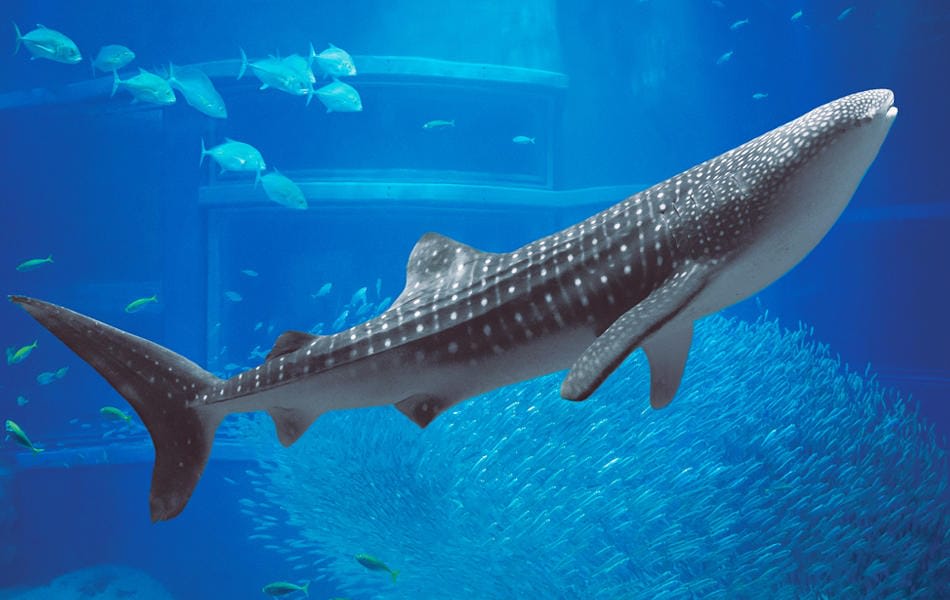
Next, we will visit the famous Osaka Aquarium Kaiyukan, one of the largest and most impressive aquariums in the world. Here, you will journey through multi-level exhibits designed to recreate the Pacific Ocean ecosystem, allowing you to observe a wide variety of marine life up close. Highlights include the majestic whale shark, along with jellyfish, penguins, sea lions, and many other fascinating species. The aquarium offers an immersive, educational experience, making it especially enjoyable for families and children.
After breakfast, you will visit the famous Arashiyama Bamboo Grove in Kyoto, located in the western part of the city. This iconic bamboo forest stretches for around 200 meters and is considered one of Japan’s most breathtaking natural attractions.
Next, you will explore the world-renowned Kinkaku-ji (Golden Pavilion), located in northern Kyoto. This stunning temple is one of the city’s most popular landmarks, famous for its upper two floors being covered in pure gold leaf. It is especially admired for its perfect harmony between architecture, natural scenery, and peaceful atmosphere.
Afterwards, you will visit Fushimi Inari Taisha, one of the most famous Shinto shrines in Kyoto, located in the southern part of the city. It is internationally known for its thousands of bright red torii gates, forming the iconic “Senbon Torii” pathway.
Following the tour, you will depart for Nagoya, where you will check in to your hotel and rest for the night.
After breakfast, you will check out from your hotel in Nagoya and depart for Tokyo.
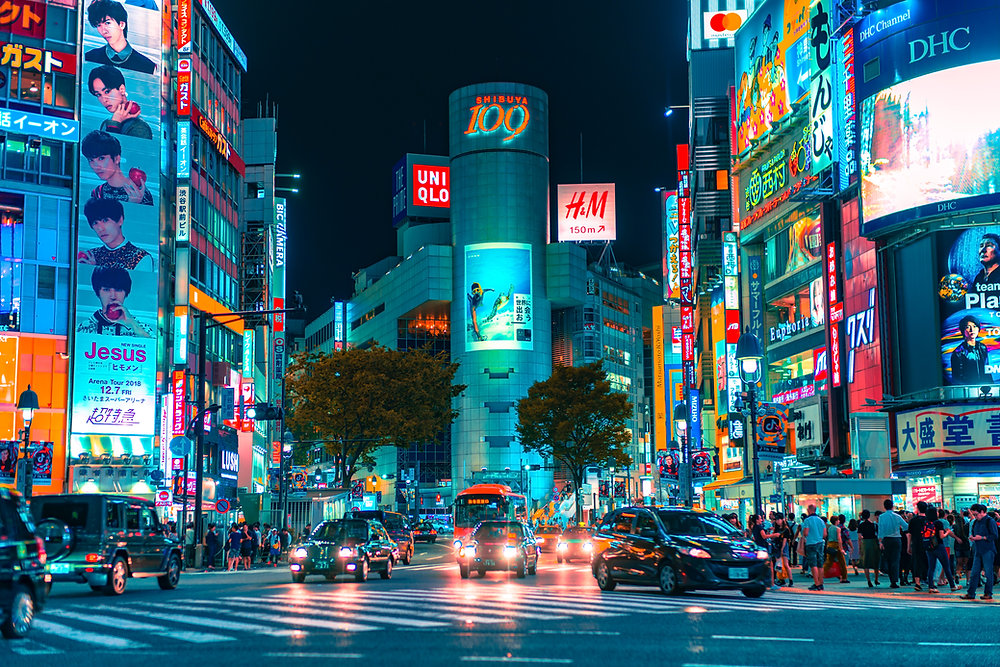
Upon arrival in Tokyo, you will begin your city tour by visiting some of the capital’s most iconic landmarks, including the famous Shibuya Crossing, Senso-ji in Asakusa, and the beloved Hachiko Statue, a symbol of loyalty and devotion.
Shibuya Scramble Crossing
This is one of the busiest pedestrian intersections in the world, located in the heart of Tokyo’s Shibuya district. Known for its massive waves of pedestrians crossing from all directions, it has become a global symbol of Tokyo’s vibrant urban energy.
Asakusa Senso-ji Area
Located in Asakusa, this is one of Tokyo’s oldest historical districts, dating back to the 7th century. The area surrounding Senso-ji Temple is famous for its traditional shopping street, where visitors can explore Japanese-style souvenirs, traditional clothing, sweets, snacks, and handcrafted goods—offering a nostalgic glimpse into old Tokyo culture.
This day, travelers will have free time to enjoy shopping and engage in personal activities at their own pace, making the most of Tokyo’s diverse shopping districts and leisure opportunities.
After breakfast, you will transfer to Narita International Airport, where your tour concludes as travelers are assisted with departure procedures. You will then take your flight back to Ulaanbaatar, arriving at 19:50, marking the end of the journey.